
Set Sail from Shore: A Boater’s Guide to Inland Lake and Reservoir Trailheads
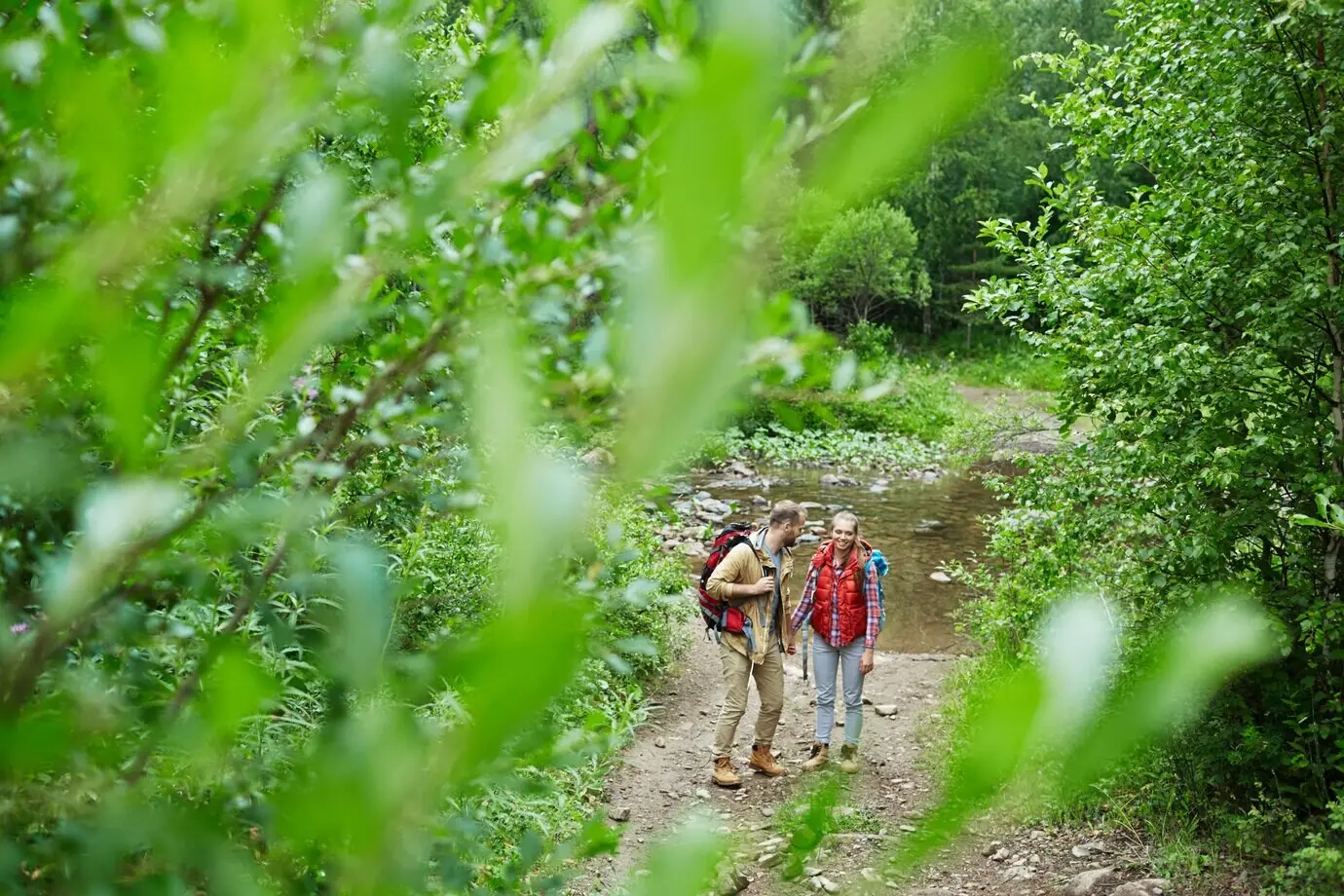
Today we dive into a boater’s guide to trailheads on inland lakes and reservoirs, exploring how to find reliable access points, read water level clues, launch smoothly, and return safely. Expect practical strategies, real-world anecdotes, and friendly guidance to help you confidently choose, approach, and enjoy your next shoreline start.

Finding Access: Reading Maps, Signs, and Shorelines

Locating the best place to begin your day on the water starts long before you see the ramp. Learn to compare official maps with satellite imagery, interpret shoreline contours, and spot parking capacity and dock layouts. With a careful approach, you will arrive prepared, unrushed, and fully confident about your chosen access point.

Decoding official maps and public datasets

State wildlife agencies, park departments, and reservoir operators publish reliable datasets listing ramps, carry-in paths, fees, hours, and seasonal closures. Cross-check entries with USGS topographic layers and depth maps where available, confirming turnoffs, restroom locations, and hazard notes. A few minutes of research often prevents an hour of aimless shoreline wandering.

Clues from satellite imagery and seasonal context

Zooming in on satellite imagery reveals parking stripes, dock shadows, slope angles, and whether trailers typically stage nearby. Compare images taken in different seasons to gauge drawdowns or spring floods. Look for scoured launch grooves, tire tracks, and shoreline wear that silently testify to regular, successful launches in varying water conditions.

Preparing for Variable Water Levels

Reservoirs breathe with gates and seasons, while natural lakes rise and fall with rain, drought, or wind-driven setup. Launch angle, trailer depth, and dock usability can shift week to week. Anticipate ramps out of the water, muddy approaches, and steeper than expected grades by planning tools, flexible gear, and calm teamwork.

Safety, Weather, and Communications on Inland Waters

Calm morning glass can turn to whitecaps in minutes across an open basin. Inland boating success hinges on weather awareness, hazard recognition, and communication planning. Equip your crew with clear roles, flotation for every body, and a backup plan when cell coverage fades or a sudden squall redraws the shoreline mood.

Fast-changing winds and raw fetch across basins

A modest breeze gathers force over long fetch, stacking tight chop that punishes small hulls. Note prevailing wind directions and identify lee shores before launching. Watch for catspaws, virga, and dust lines as early warnings. If whitecaps build, retreat toward protected arms early rather than wrestling the main body after fatigue sets in.

Reservoir hazards: timber, intake structures, and cables

Drawdowns expose old roadbeds, fence posts, and stumps lurking just below the surface, and restricted zones guard intake towers or spillways. Obey buoy lines religiously. Idle through unfamiliar coves with a lookout forward. Your propeller, lower unit, and nerves will thank you, and you will avoid fines, damage, and awkward tow requests.

Ramp courtesy that keeps everyone smiling

Load coolers, life jackets, and electronics in the staging area, not on the ramp. Use a bow line, pull forward promptly, and clear the lane before organizing. Offer a hand to solo boaters and thank the next crew for waiting. Small kindnesses compound into smoother mornings that feel like teamwork, not competition.

Permits, fees, and inspection checkpoints

Many lakes require day passes or launch stickers, and some inspect for mussels or standing water. Keep documents handy, bilge drained, and livewells dry. A quick friendly check speeds everyone along. If self-pay envelopes are used, carry a pen and exact change, turning bureaucracy into a two-minute pause rather than a long delay.

Sharing space with anglers, paddlers, and wake boats

Each group values different water. Anglers guard quiet coves, paddlers prefer predictable wakes, and tow sports need open lanes. Yield generously at the ramp and on the water. Announce intentions clearly, idle past lines, and trim wakes near shore. Respect transforms tight spaces into comfortable, friendly corridors where everyone can enjoy the day.

Environmental Care and Local Wildlife

{{SECTION_SUBTITLE}}

Clean, drain, dry to stop aquatic hitchhikers

After hauling out, pull plugs, empty livewells, and sponge standing water. Remove weeds from bunks, trailers, and intakes. Drying thoroughly disrupts zebra and quagga mussels. Many trailheads provide wash stations; use them proudly. A few diligent minutes safeguard whole watersheds, keeping native habitat resilient and fellow boaters grateful for your careful example.

Respect nesting birds and sensitive shoreline coves

Spring brings protective parents on gravel spits and reeds. Give them wide berth by idling far outside posted buffers, and keep music low near quiet inlets. If a bird flushes repeatedly, increase distance. Your patience preserves successful broods and replaces anxious wingbeats with that serene welcome only a calm cove can offer.

Trip Ideas, Stories, and Community Tips

Local wisdom makes good ramps great. Mix practical routes with shared experiences, and your outings gain texture and ease. Explore dawn launches for glassy paddles, lunch stops at shaded points, and golden-hour returns to quieter ramps. Add your voice, compare notes, and help fellow readers discover kinder parking, calmer water, and hidden gems.

A morning at the hidden cove

We launched before sunrise at a small side ramp, dodging the busy main marina. Fog lifted as loons echoed across the basin, and by midmorning a gentle breeze chased us home. That unassuming trailhead, tucked behind cottonwoods, turned a routine circuit into a memory that still smells like wet rope and pine.

Weekend routes that pair hikes and quiet water

Choose a ramp near a lakeside trailhead, paddle the shoreline loop before crowds, then stash boards or rods and walk a ridge for panoramic photos. Pack a thermos, spare socks, and sandals for muddy takeouts. This simple pairing doubles the reward while dividing traffic, giving body and mind matching miles under open sky.

Share your ramp intel and subscribe for updates

Tell us which ramps stay reliable during late-season drawdowns, where inspections run quickest, and which coves welcome beginners on breezy afternoons. Post tips about trailer traction, dock height, and parking overflow. Subscribe for future guides, maps, and stories, and help shape a friendly, informed community that launches smarter together every single weekend.
Seascriptstudio
Privacy Overview

This website uses cookies so that we can provide you with the best user experience possible. Cookie information is stored in your browser and performs functions such as recognising you when you return to our website and helping our team to understand which sections of the website you find most interesting and useful.